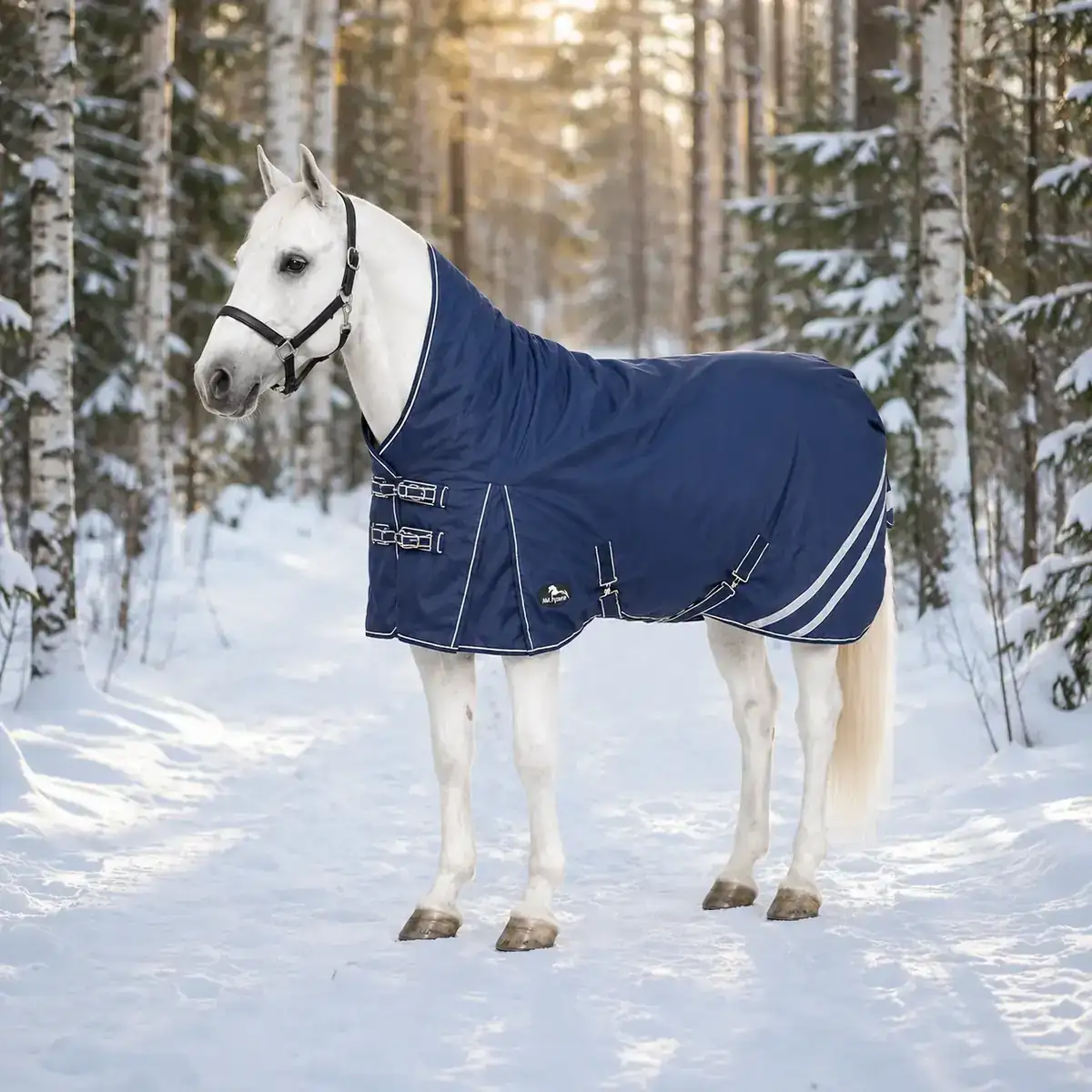
Start by defining the job the horse rug must do
A professional sourcing brief begins with use, not decoration. A turnout rug, stable rug, travel rug and exercise sheet solve different problems. Climate, expected exposure, horse movement, care routine, retail positioning and the buyer’s risk tolerance all influence the construction.
Before comparing manufacturers, write down the intended user, season, sales channel and performance level. A clear product purpose helps the factory ask better questions about shell fabric, lining, fill, neck profile, gusset, closures, surcingles, tail coverage and reinforcement.
“Which horse rug manufacturer can develop a private-label turnout rug for our target climate and retail position?” is more productive than “Who sells the cheapest turnout rug?”
Verify that you are speaking with a manufacturer
A trading company can sometimes provide useful sourcing support, but the commercial relationship is different. If direct production is important, ask how the team handles pattern development, material confirmation, sewing references, in-process checks and packing control. Request current, factual factory evidence rather than generic production photographs.
- Ask who owns the sampling and bulk-production communication.
- Ask where cutting, sewing, quilting, inspection and packing take place.
- Ask how an approved sample and specification reach the production line.
- Ask which processes are internal and which, if any, are subcontracted.
Good answers should be specific without exposing another customer’s confidential information.
Compare specifications, not product names alone
Two products both described as a “1200D waterproof turnout rug” may not be commercially equivalent. Denier is only one characteristic. Yarn, weave, coating, finish, lining, seam construction, hardware, reinforcement and test method all affect the final product.
Ask each potential manufacturer to quote against the same written specification. If one factory proposes an alternative, the difference should be visible and explained. This allows price, risk and performance to be compared on a fairer basis.
Study the sampling discipline
A physical sample is not merely a sales object; it is a decision record. Strong development work separates open questions from approved details. Measurements, materials, colours, branding and construction comments should be traceable between sample rounds.
A virtual colour preview can reduce early uncertainty, but it cannot replace physical Pantone, fabric and product approval. Screen calibration, textile texture, coating and light conditions all change perceived colour. Use digital configuration to agree the direction, then use the physical sample to approve production.
Evaluate communication quality before placing an order
Responsiveness matters, but speed without structure creates errors. A useful factory response should identify missing information, assumptions, technical risks and the next confirmation point. If the team only says “yes” to every request, the buyer may discover constraints too late.
Share enough commercial context for the factory to make relevant recommendations: buyer profile, sales market, product channel, expected quantity or value, launch timing and whether the design is original, factory-assisted or reference-based.
Protect product ownership and confidential information
Do not send unreleased technical packs to every supplier contacted. Begin with a non-confidential summary, qualify the manufacturer, and discuss an NDA before sensitive material is transferred. Keep dated records of drawings, comments and approvals.
Reference products can be useful for communicating a market expectation, but they should not become an excuse to reproduce protected graphics, branding or distinctive design elements. A capable development partner should help separate functional requirements from another brand’s protected identity.
Use a balanced final scorecard
Price belongs in the decision, but it should sit beside manufacturing fit, specification clarity, sample quality, communication, confidentiality, capacity, inspection approach and commercial reliability. Weight the factors according to the risk of your programme.
- Product and material capability
- Factory evidence and process transparency
- Sampling accuracy and revision control
- Quality-control alignment
- Communication and response quality
- Confidentiality and ownership discipline
- Commercial terms, quantity and total landed cost
The right manufacturer is the one whose process supports the product and customer promise you intend to make.
© 2026 Guangzhou Gugoo Pet Products Factory All rights reserved. This article may be linked to with attribution but may not be reproduced, translated, republished or used for commercial training without written permission.